
Press
Everything you need, without the scavenger hunt.
Who we are. What we built. Eight verified facts a story can stand on. Current numbers. Downloadable logos. Cleared photographs. A founder who answers his own phone.
If what you need is not here, call Jimmy.
He brings figures.
In one sentence
The Ventriloquism Institute is an Orlando‑based 501(c)(3) that preserves and opens the history of ventriloquism, champions the living art and its community, and helps the next generation find a way in.
In one paragraph
The Ventriloquism Institute is an Orlando‑based 501(c)(3) that preserves and connects the history of ventriloquism, makes it accessible to everyone, showcases the people behind the art, and gives the living community a year‑round place to learn, connect, and belong. Its free public Archive at ventriloquism.org connects more than 545,690 sourced facts about performers, figures, makers, works, and organizations. The Institute also produces pop‑up history experiences and live public performances, runs the children’s literacy initiative Read, Laugh & Learn, and supports young people with unusual talent. Founded in 2014, the organization is led by working ventriloquist and children’s author Jimmy Vee.
Three stories hiding in plain sight
Television’s first face was a dummy
Before television had anchors, sitcom stars, or talk‑show hosts, it had Stooky Bill.
A living art is losing its paper trail
The figures often survive. The programs, letters, photographs, repair notes, and names attached to them do not.
Ventriloquists keep winning television
Nearly a century after a dummy helped prove television could work, ventriloquists are still walking onto television’s biggest talent competitions and winning.
Fast facts
| Legal name | Ventriloquism Institute, Inc., a Florida not‑for‑profit corporation, tax‑exempt under section 501(c)(3), EIN 46‑5471215 |
|---|---|
| Founded | Incorporated April 17, 2014. Renamed Ventriloquism Institute by unanimous board vote on September 8, 2026 |
| Based | Orlando, Florida |
| Mission | Storyteller of its past. Champion of its present. Teacher of its future. |
| Programs | The Archive and historical preservation · pop‑up exhibitions and educational events · live public performances · Read, Laugh & Learn · youth grants |
| The Archive | As of September 14, 2026: 545,690 sourced facts; 85,832 entities; 53,460 people; 7,940 ventriloquial figures; 48,984 distinct sources |
| Source base | As of September 14, 2026: 66,653 indexed documents, including 26,530 Library of Congress Chronicling America newspaper pages, trade newsletters, club journals, convention programs, and video transcripts |
| Board of Advisors | Terry Fator · Ronn Lucas · Bob Abdou · Jeff Goltz · Chance Wolf · Mike Palma · Trish Dunn · Steve Hewlett · Jacki Manna |
| Founder and president | Jimmy Vee |
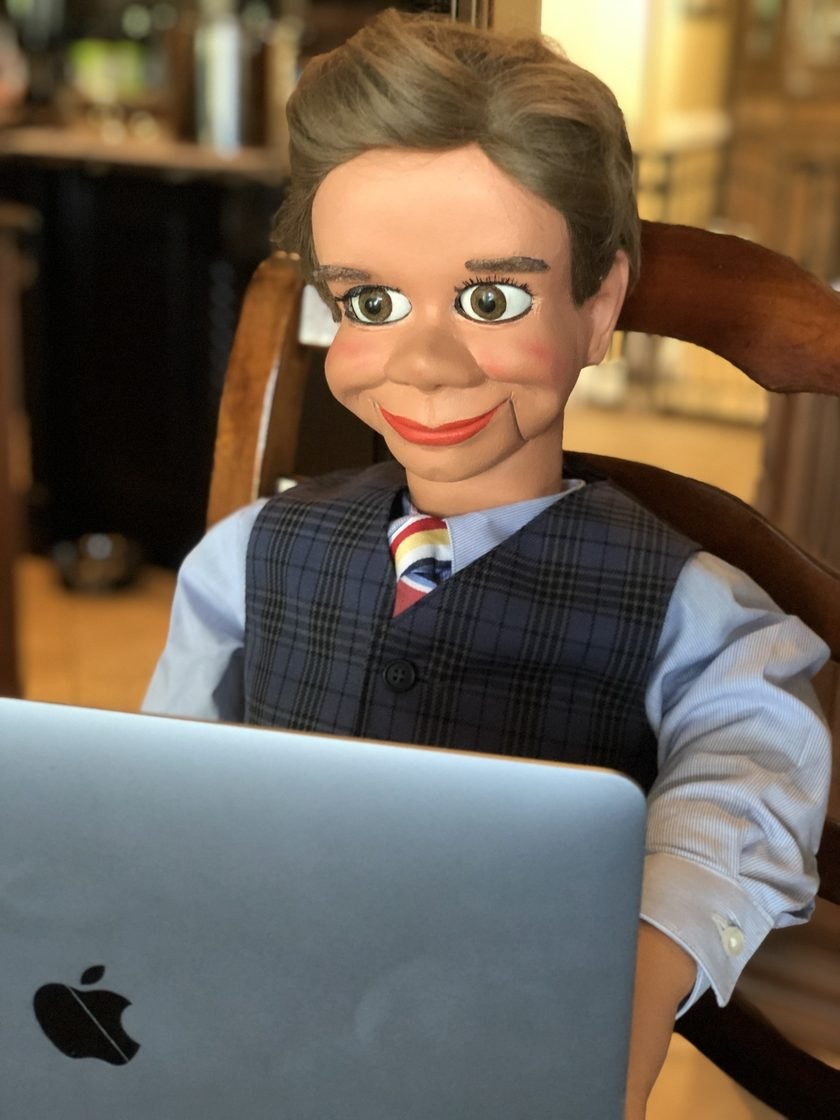
| Spokes‑dummy | Freddy Fiddlesticks, carved by Alan Semok. He handles public statements and most complaints. |
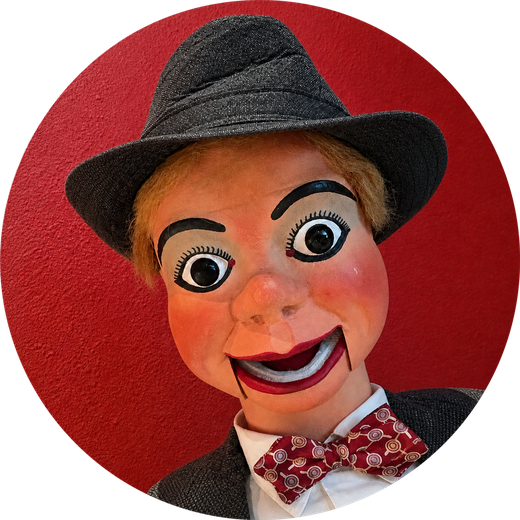
| Historian | Dusty Backlog, a Mack figure with more than half a million facts to look after. |
Eight facts you can build a story on
- Television’s first face was a dummy. In 1925, John Logie Baird needed a face for his experimental television system. His lights ran too hot for a human, so he used a ventriloquist’s dummy named Stooky Bill. The dummy is now in the Science Museum in London. Before television had anchors, sitcom stars, or talk‑show hosts, it had a dummy.
- A visual act became the biggest thing on radio. Edgar Bergen was a vaudeville headliner with a dummy. He made one guest appearance on Rudy Vallée’s show in December 1936. Five months later, he had his own show. By February 1938, it held the highest rating ever recorded for a weekly radio series: 41.2. Nobody could see the dummy. It did not matter.
- One of radio’s biggest censorship fights started because a starlet flirted with a dummy. In December 1937, Mae West performed an Adam and Eve sketch on Bergen’s show and made a pass at Charlie McCarthy on the air. Listeners complained. The FCC called it indecent. NBC banned her from the network for more than a decade.
- The man behind Jerry Mahoney patented an artificial heart. Paul Winchell was one of the first stars of American television. He also held one of the first patents for an implantable artificial heart, U.S. Patent 3,097,366, issued in 1963.
- A dummy sold America chocolate for ten years. Jimmy Nelson’s dog Farfel finished the Nestlé jingle with “Chaw-klit” from 1955 to 1965, one of the longest‑running spokes‑character campaigns in broadcasting. Nelson and Danny O’Day also pitched Texaco alongside Milton Berle on the show that helped sell America its television sets.
- Three famous dummies are in the Smithsonian. Edgar Bergen’s original Charlie McCarthy and Paul Winchell’s Jerry Mahoney and Knucklehead Smiff are all held by the National Museum of American History.
- One Chicago carver made both the Smithsonian’s Jerry Mahoney and the Nestlé dog. His name was Frank Marshall. The deepest connected record of his life and work is in the Archive.
- A century later, ventriloquists are still winning television. Terry Fator won America’s Got Talent in 2007. Paul Zerdin won in 2015. Darci Lynne won in 2017. Ventriloquists have also won Got Talent competitions in Sweden, France, Spain, Albania, and other countries. Against singers, dancers, comedians, magicians, musicians, and acrobats, they won the whole thing.
Downloads
- The Institute on one page (PDF)
- Jimmy Vee: six things he can talk about (PDF)
- Why it matters: the short version and the whole argument (PDF)
Logos
Two marks, one family. Use them the way they come. Do not recolor them, stretch them, or crowd them. Give each mark breathing room at least the height of the bow tie.
- Ventriloquism Institute: Transparent PNG · JPG on white
- ventriloquism.org: Transparent PNG · JPG on white · PNG for dark backgrounds





Two figures with jobs
We have our own spokes‑dummy and our own historian. Yes, really. Both are available for interviews on camera with the founder.
Photographs
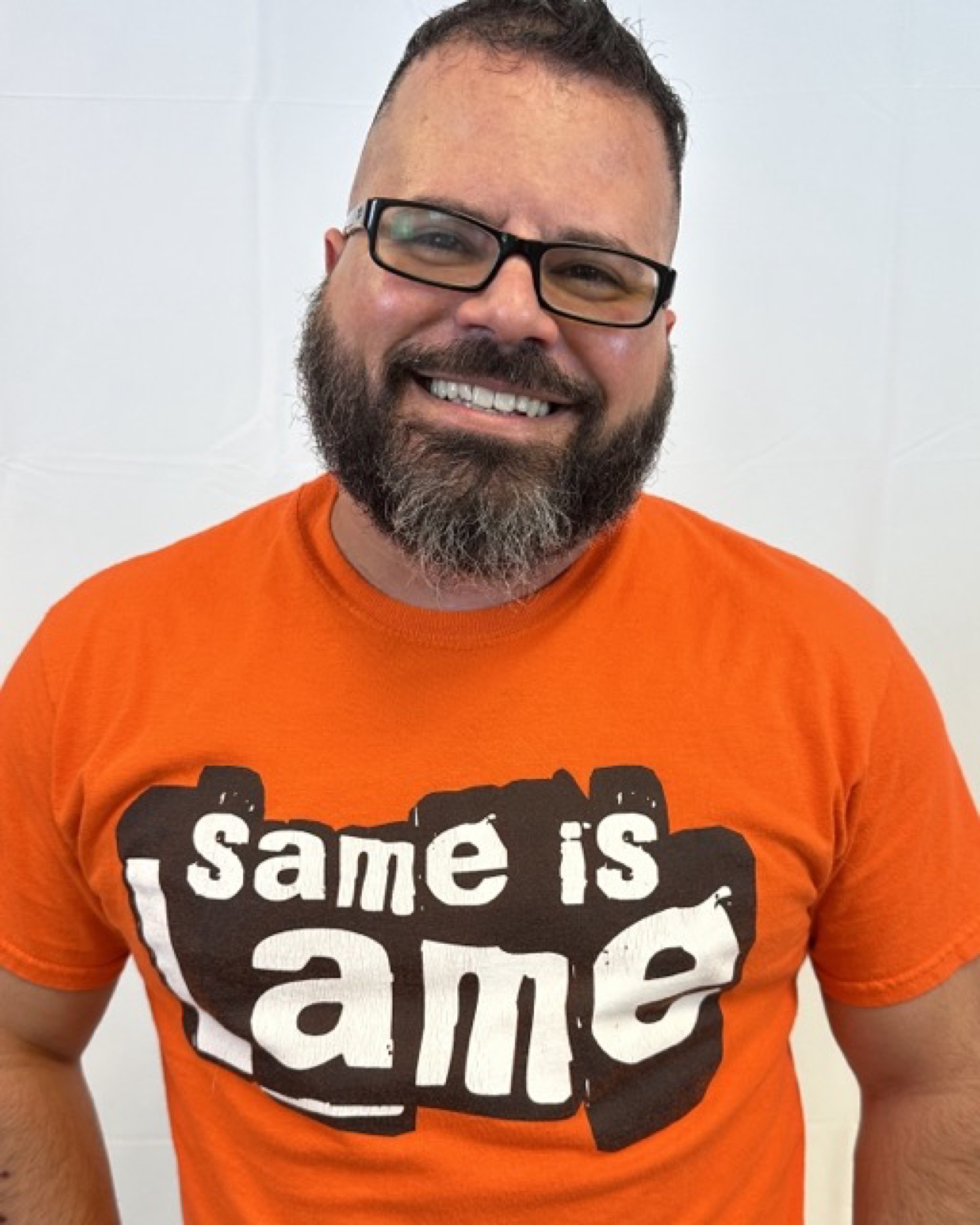
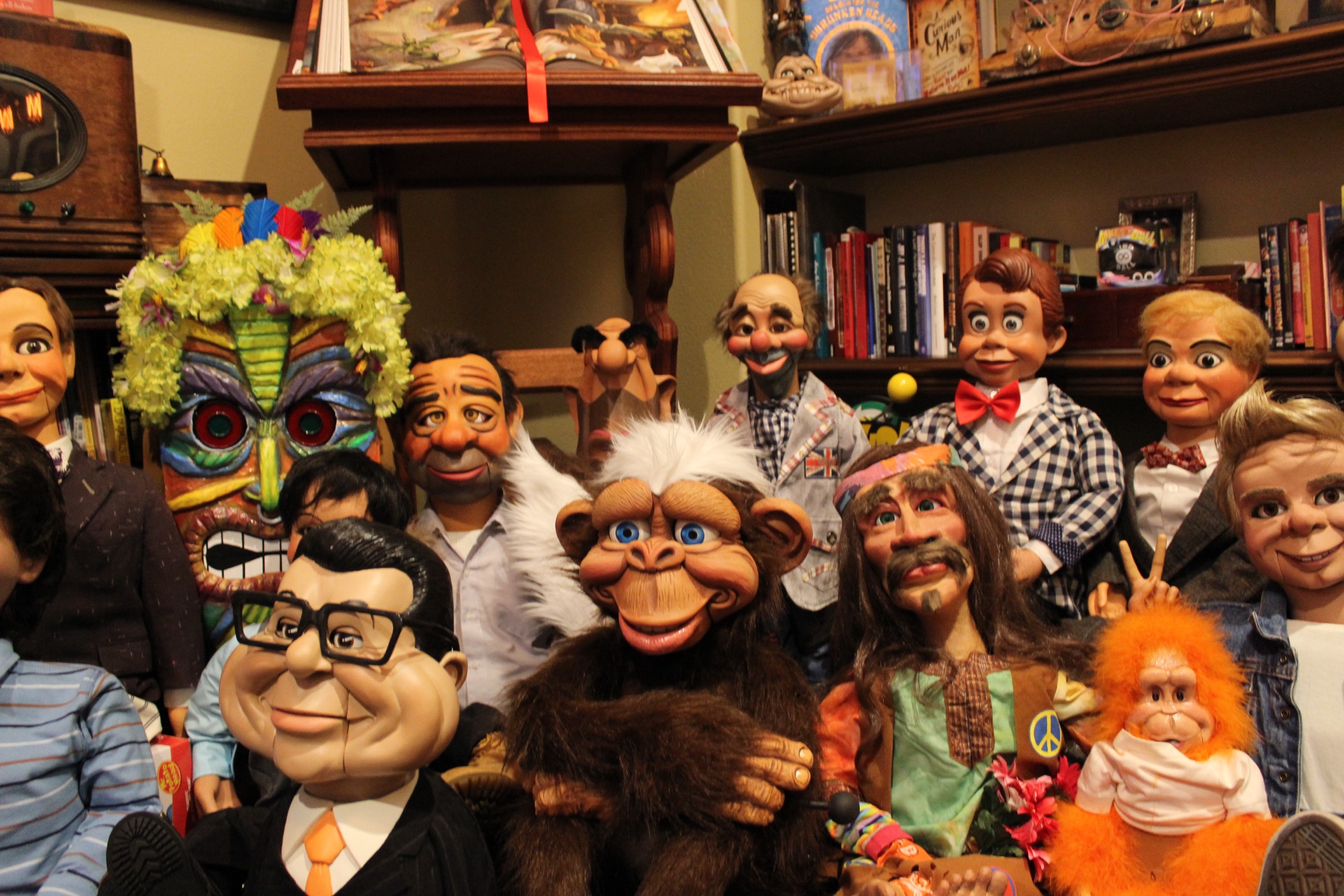
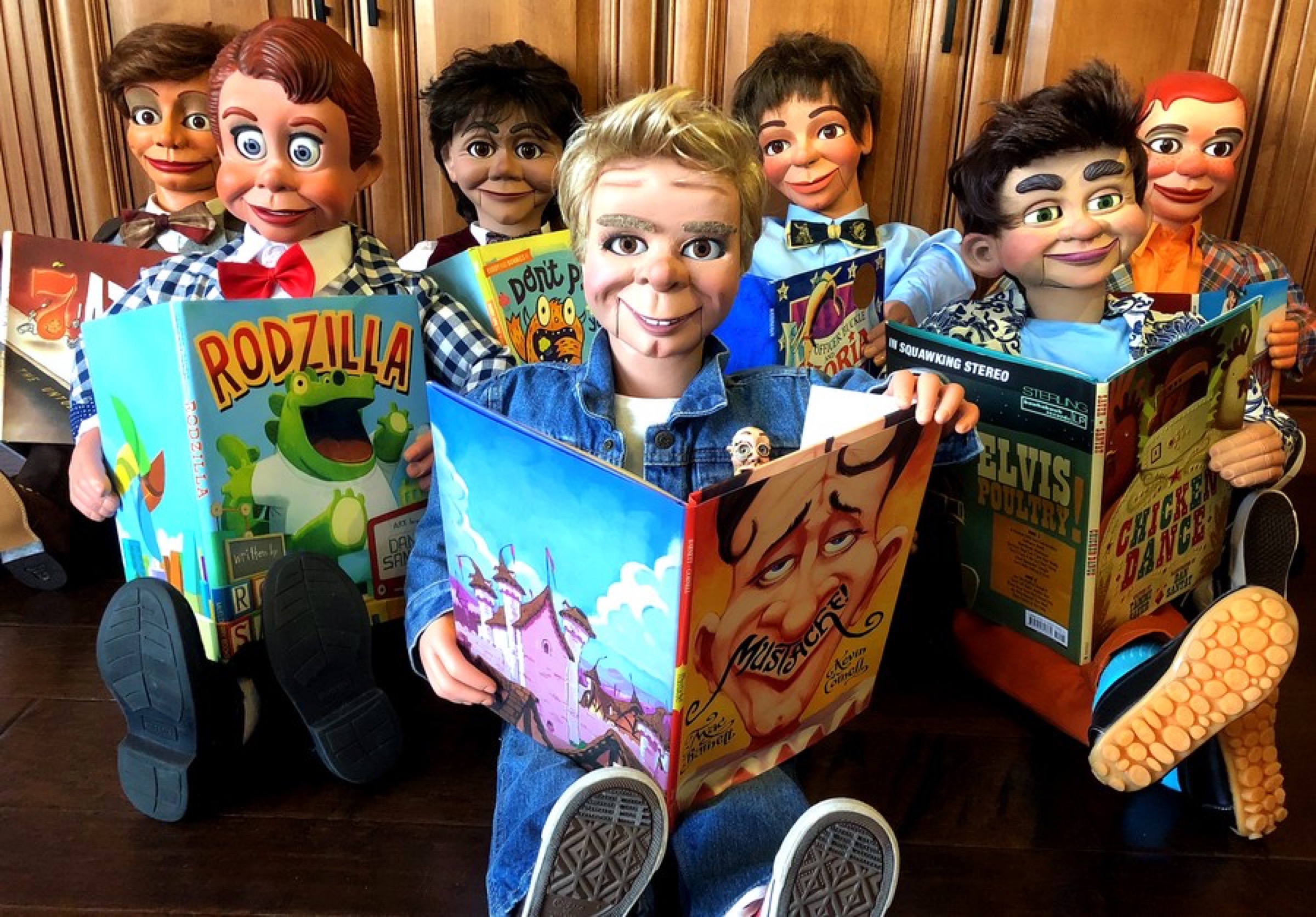
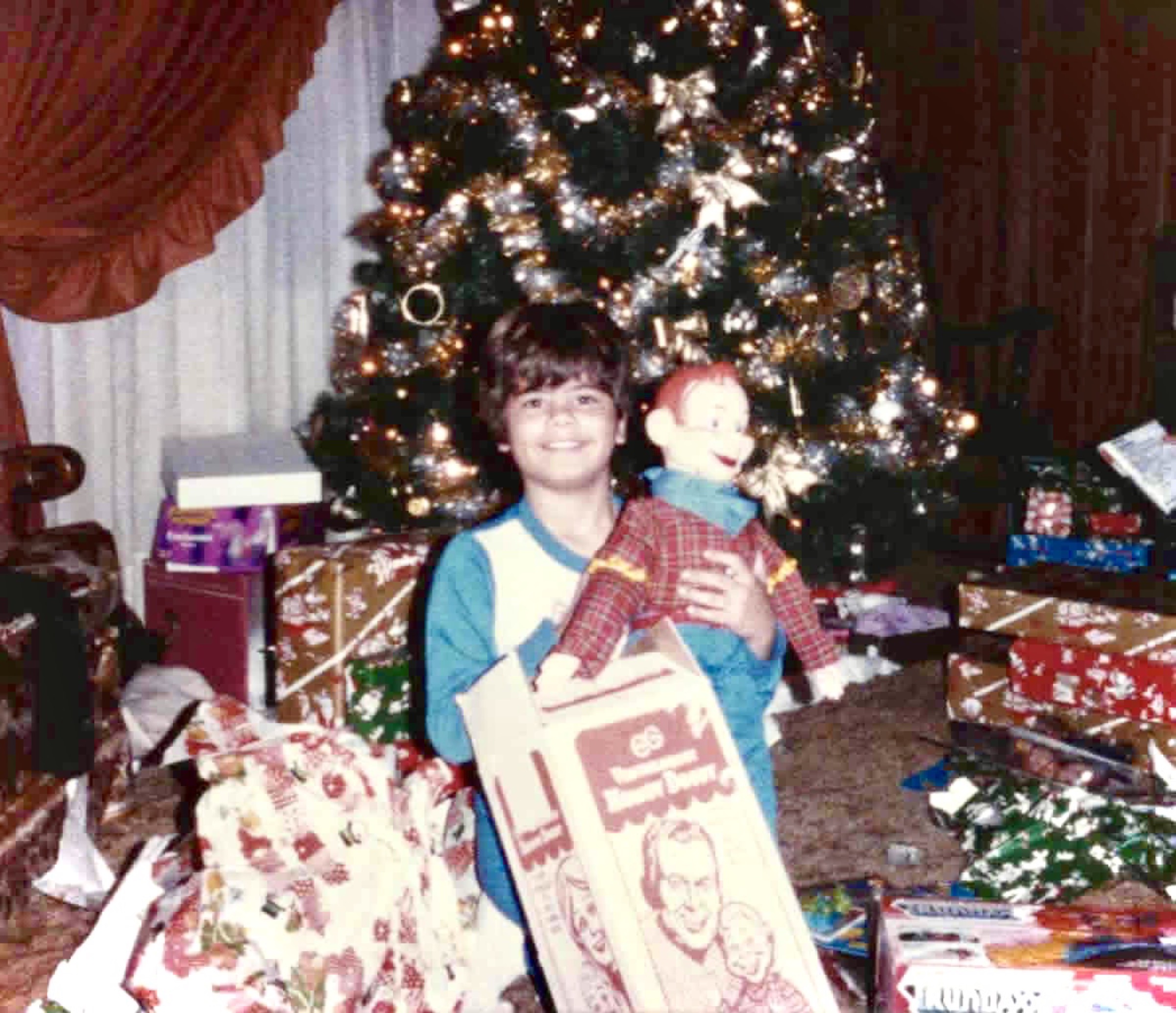
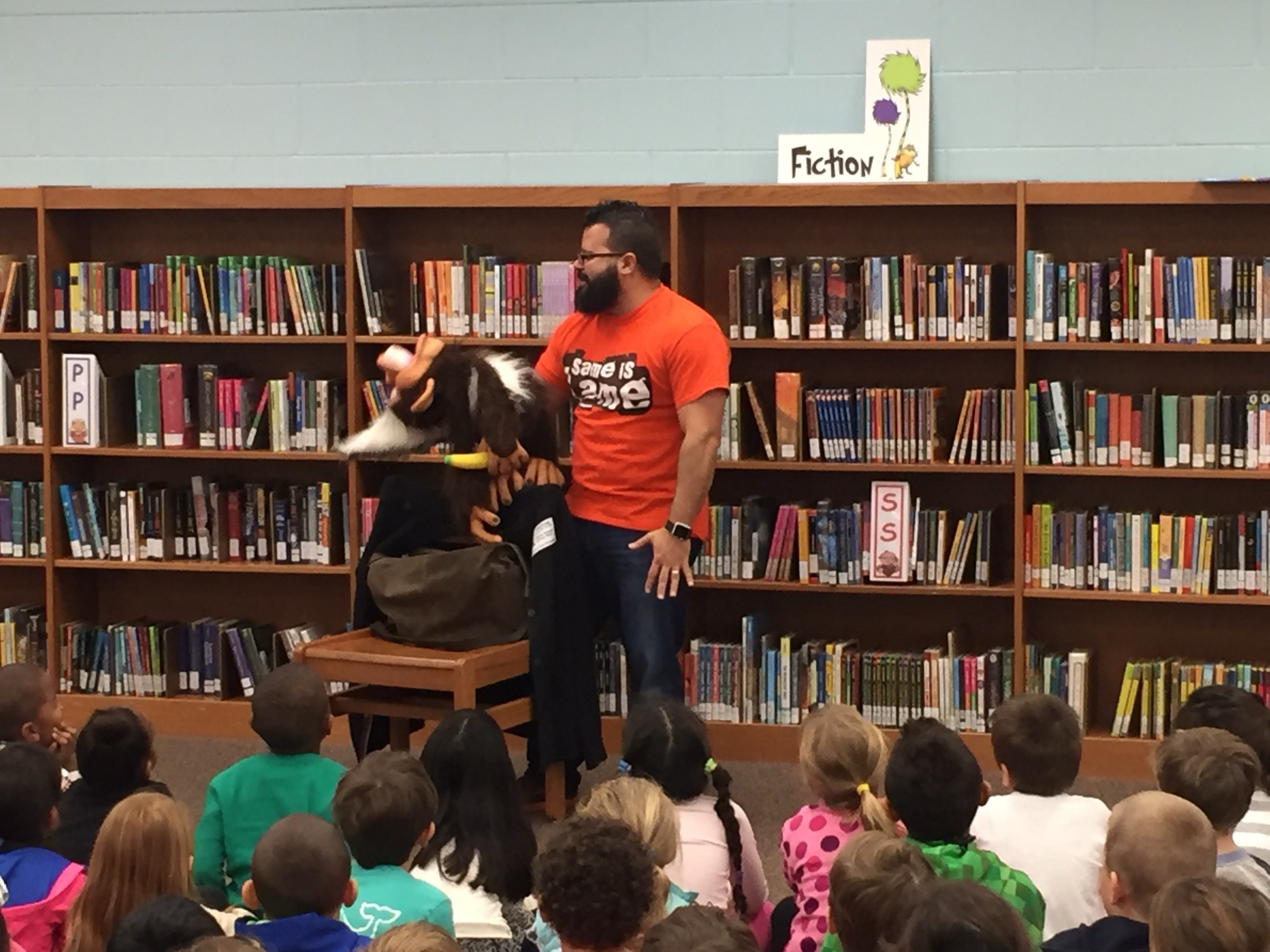
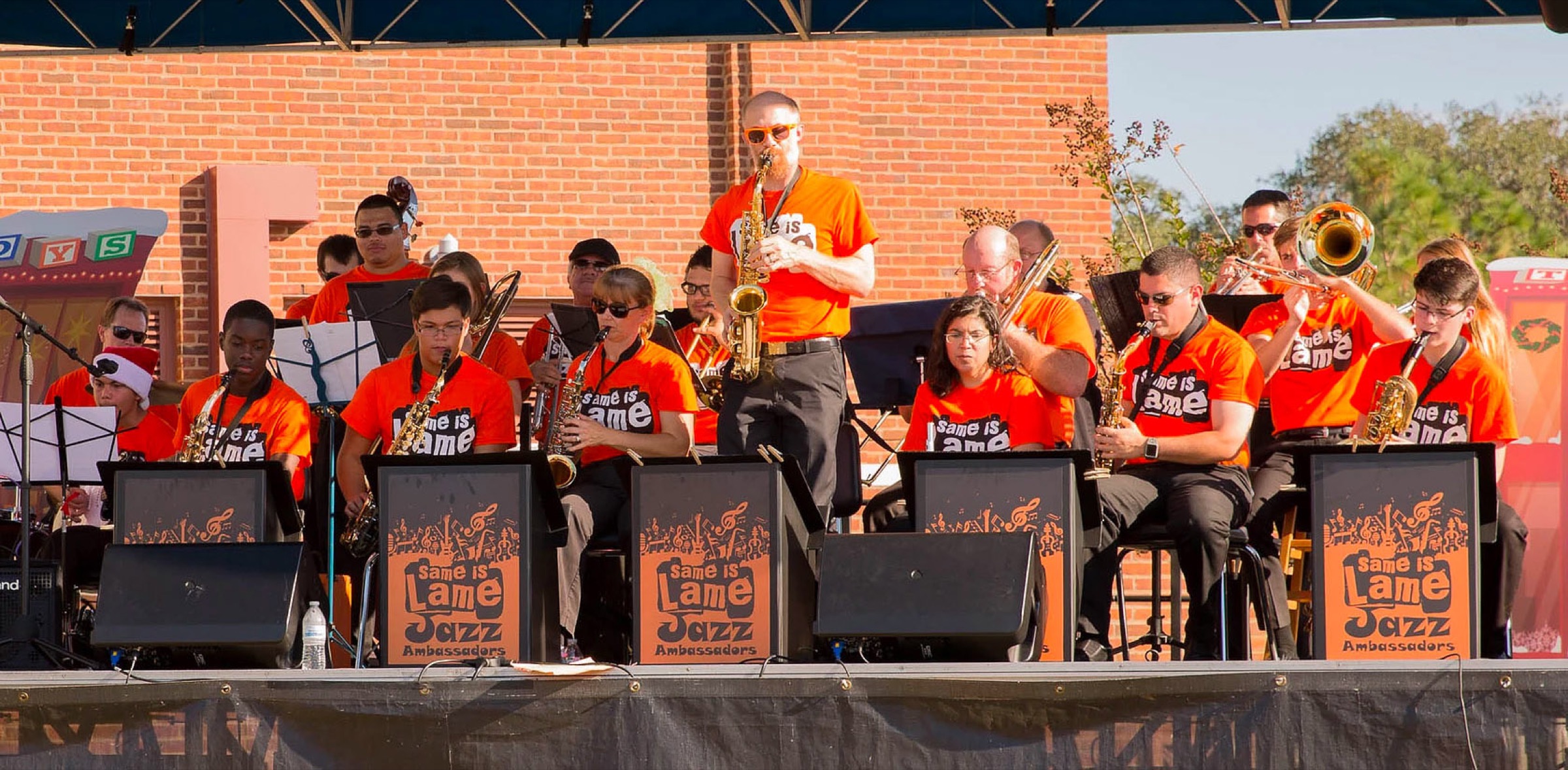
The following photographs are cleared for editorial use with the credit shown. Web files are 1,200 pixels on the long side. Print files are 2,400 pixels. You will not find Vent Haven Museum photographs here. We cite the museum’s collection in text and leave their pictures to them.
Contact
Jimmy Vee
Founder and President
[email protected]
407‑592‑6939
Orlando, Florida
Studio, Zoom, or your location.
He brings figures.